
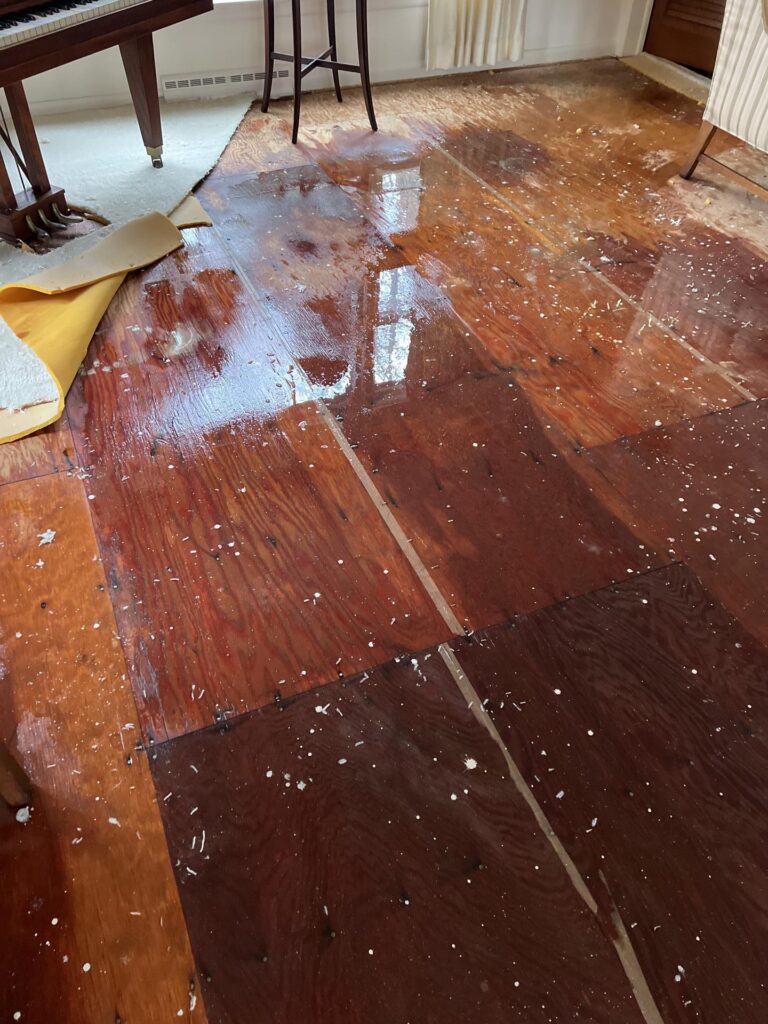

Water damage is one of the most common and costly issues homeowners face. When it happens, one of the first questions is whether insurance will cover the damage.
The answer is not always straightforward. Coverage depends on how the damage occurred, how quickly it was addressed, and the specifics of your policy.
In Cleveland, Parma, Independence, and surrounding Northeast Ohio communities, we regularly work with homeowners navigating insurance claims after water damage. Understanding what is typically covered and what is not can help you avoid costly surprises.
When Home Insurance Typically Covers Water Damage
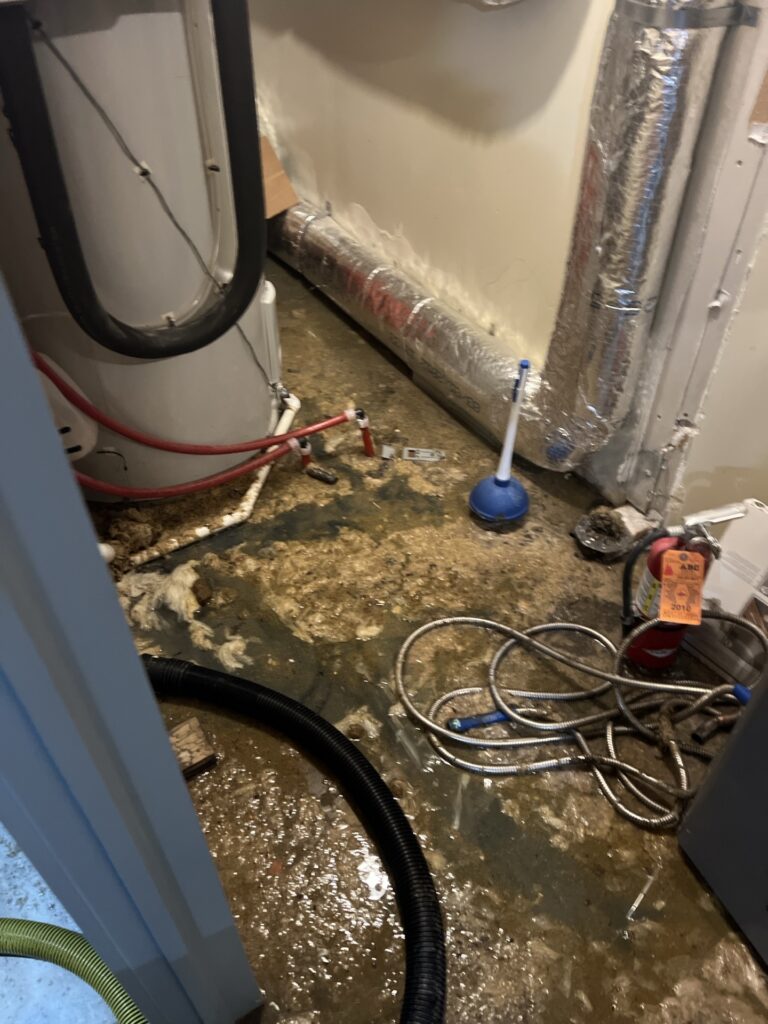
Most standard homeowners insurance policies cover sudden and accidental water damage.
This includes situations such as:
- Burst pipes during freezing temperatures
- Appliance failures (washing machines, dishwashers, water heaters)
- Plumbing line breaks
- Overflow from sinks or tubs
In these cases, the damage happens quickly and unexpectedly. Insurance companies generally consider this a covered event.
However, coverage is not automatic. The homeowner is expected to take reasonable steps to minimize damage once the issue is discovered.
When Water Damage Is Not Covered
Insurance usually does not cover water damage caused by neglect, lack of maintenance, or long-term issues.
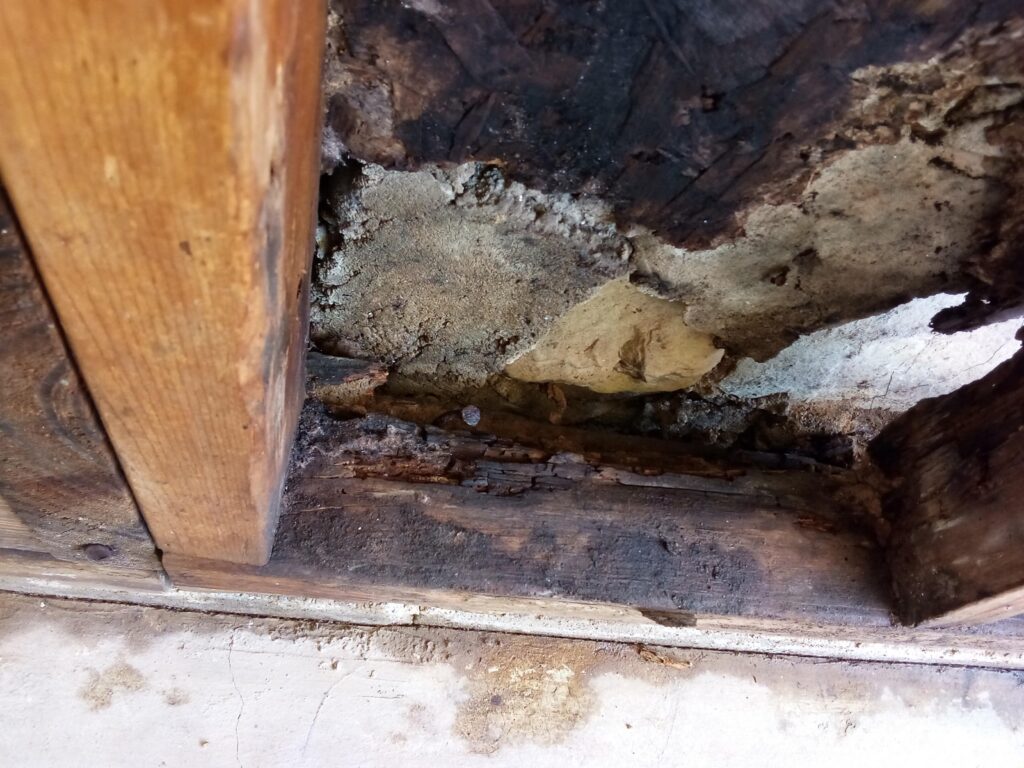
Common examples include:
- Slow leaks that were ignored over time
- Ongoing roof leaks
- Mold caused by unresolved moisture issues
- Seepage through foundation walls
Flood damage is also not covered under standard homeowners insurance policies. Flooding from heavy rain, rising water, or sewer backup typically requires separate coverage.
This distinction is critical. Many homeowners assume all water damage is treated the same, but insurance companies categorize these events very differently.
The Importance of Acting Quickly
One of the most important factors in insurance coverage is how quickly you respond.
After water damage:
- Moisture begins spreading immediately
- Materials start deteriorating within hours
- Mold can begin forming within 24 to 48 hours
Insurance providers expect homeowners to take action to prevent further damage.
Delays can lead to partial claim denial, especially if the damage worsens due to inaction.
What Insurance Companies Expect From Homeowners
If you plan to file a claim, there are certain expectations:
- Stop the source of water if possible
- Protect the property from further damage
- Document the damage with photos and videos
- Report the claim promptly
- Allow proper inspection and documentation
Failing to meet these expectations can complicate the claim process.
This is where professional water mitigation becomes important, not just for drying the property, but for proper documentation.
Why Professional Water Mitigation Matters for Insurance Claims
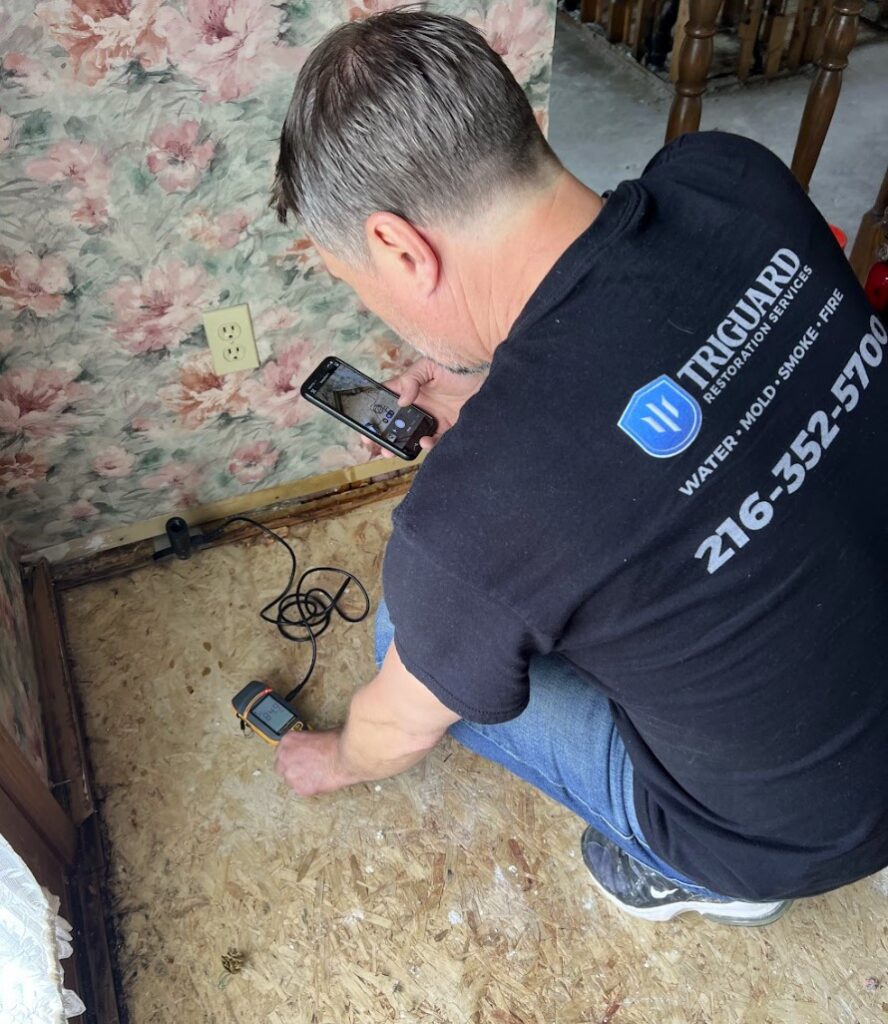
Insurance companies rely heavily on documentation to evaluate claims.
Professional water mitigation typically includes:
- Moisture mapping and detailed readings
- Photo documentation of affected areas
- Records of drying equipment and progress
- Reports showing what materials were affected
This documentation supports your claim and helps justify the scope of work needed.
Without it, it becomes more difficult to prove the extent of damage.
Common Mistakes That Can Affect Your Claim
Many homeowners unintentionally create problems with their claims.
Common mistakes include:
- Waiting too long to address the damage
- Attempting to dry everything without proper equipment
- Throwing away damaged materials before documentation
- Not understanding policy limitations
These mistakes can reduce the amount covered or delay the approval process.
Water Damage and Mold: A Complicating Factor
Mold is often where insurance claims become more complex.
If mold develops as a direct result of a covered water event and is addressed quickly, it may be included in the claim.
However, mold caused by long-term moisture issues is usually not covered.
This is another reason why fast response and proper mitigation are critical.
How to Know If Your Situation Is Covered
Every situation is different. The key factors that determine coverage are:
- Cause of the water damage
- Timing of your response
- Condition of the property before the incident
- Details of your specific policy
If you are unsure, it is best to have the situation assessed and documented as soon as possible.
Water Damage Restoration and Insurance Support in Northeast Ohio
Water damage claims can be complicated, especially when timing and documentation affect coverage. Acting quickly and having the right team involved can make a significant difference.
TriGuard Restoration Services offers:
24/7 emergency response
Water damage mitigation
Structural drying and moisture detection
Mold prevention and remediation
Insurance claim documentation and support
Serving Cleveland, Parma, Independence, Lakewood, Strongsville, Mentor, and surrounding Northeast Ohio communities.
Call 216-352-5700 for immediate assistance.
If your property has experienced water damage, early mitigation and proper documentation can help protect both your home and your insurance claim.