
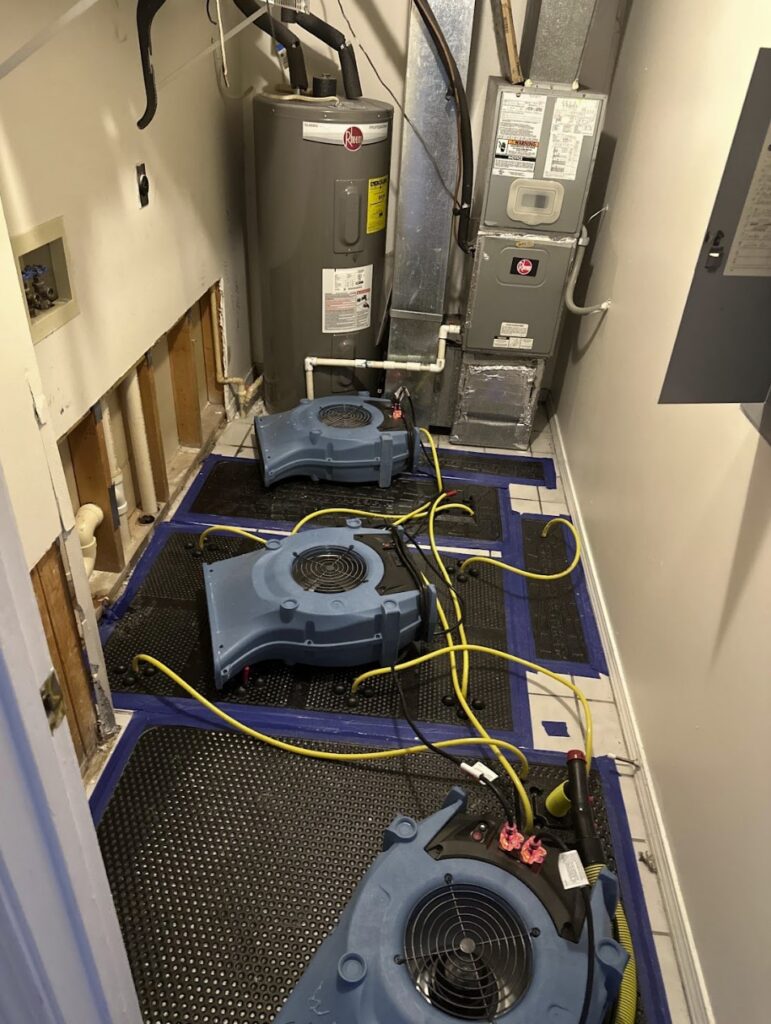

A leaking water heater can go from a small plumbing problem to significant water damage surprisingly quickly. Because water heaters are often located in basements, utility rooms, or other areas that homeowners do not constantly monitor, a leak may continue for hours—or sometimes longer, before anyone notices it.
For homeowners in Cleveland, Parma, Independence, Lakewood, Strongsville, Mentor, and surrounding Northeast Ohio communities, knowing the warning signs of a water heater leak and what to do when one occurs can help limit damage to flooring, drywall, insulation, and other building materials.
A leaking water heater does not always mean the tank has completely failed. The source may be a valve, plumbing connection, or another component. However, any unexplained water around a water heater should be investigated promptly.
Warning Signs Your Water Heater May Be Leaking
A large pool of water around the tank is an obvious warning sign, but many water heater leaks begin much more gradually.
Watch for:
- Water or dampness around the bottom of the tank
- Rust or corrosion on the tank or connections
- Water stains on nearby walls or flooring
- Dripping from valves or plumbing connections
- Unusual popping, cracking, or rumbling sounds
- Moisture or musty odors in the surrounding area
- An unexplained increase in water usage
Small leaks can be particularly troublesome because they may create hidden water damage.
If you repeatedly find moisture near the water heater, do not simply dry the floor and assume the problem is resolved. The source should be identified.
What Causes a Water Heater to Leak?
Several components can cause water to escape from a water heater.
Aging or Corroded Tank
Traditional tank-style water heaters do not last indefinitely. Over time, corrosion can weaken the tank and eventually allow water to escape.
A tank that has begun leaking because of internal corrosion will generally require replacement rather than repair.
Loose or Damaged Plumbing Connections
Water can leak from the hot- and cold-water connections at the top of the unit. A loose fitting or deteriorated connection may produce anything from a slow drip to a substantial leak.
Temperature and Pressure Relief Valve
The temperature and pressure relief valve is an important safety component. Water coming from the valve or its discharge pipe may indicate a problem that should be evaluated by a qualified plumbing professional.
Drain Valve Problems
The drain valve near the bottom of a tank can also leak if it becomes loose or damaged.
Excessive Pressure
Excessive pressure within the plumbing system can contribute to leaks and place additional stress on the water heater and its connections.
Whatever the source, the key distinction is whether you are dealing with a small plumbing leak or a larger water-loss event that has already affected surrounding materials.
What Should You Do If Your Water Heater Is Leaking?
If you discover water around your water heater, address the situation promptly rather than waiting to see whether it gets worse.
1. Consider Electrical and Gas Safety First
Water heaters may use electricity or natural gas. Do not attempt to work on electrical components, gas connections, or a flooded area unless you can do so safely and know what you are doing.
If standing water has reached electrical equipment or you are uncertain about the safety of the area, stay clear and contact an appropriate professional.
2. Stop the Water Supply If It Is Safe
If you know where the water heater’s shutoff valve is located and can safely reach it, shutting off the incoming water supply may prevent additional water from entering the tank.
For a major leak, stopping the water source quickly can substantially reduce property damage.
3. Contact a Qualified Plumber
A plumber can determine why the water heater is leaking and whether the unit can be repaired or needs replacement.
The plumber addresses the source of the leak. If water has already spread into flooring, walls, insulation, or other building materials, water mitigation may also be necessary.
4. Document the Water Damage
Take photographs and videos before removing damaged materials or extensively changing the affected area, provided it is safe to do so.
Document the water heater, visible source of the leak, standing water, damaged flooring, walls, furniture, and other affected property.
This documentation may become important if you file an insurance claim.
5. Begin Water Removal and Drying
Once the source has been controlled, standing water should be removed and affected materials should begin drying as soon as possible.
Fast action after water damage can reduce the amount of moisture absorbed by porous materials and help limit secondary damage.
Why Water Heater Leaks Can Cause Hidden Water Damage
Removing visible water does not necessarily mean the affected area is dry.
Water can travel:
- Under finished flooring
- Into subflooring
- Behind baseboards
- Into drywall
- Inside wall cavities
- Into insulation
- Beneath cabinets or built-in fixtures
A basement or utility-room floor may appear dry while surrounding materials still contain elevated moisture.
Professional restoration technicians use moisture meters and other detection methods to identify areas that cannot be evaluated reliably by sight alone.

This is one reason seemingly minor water heater leaks should not be ignored.
How Quickly Can Mold Develop After a Water Heater Leak?
Wet building materials can create conditions that support mold growth if they remain damp.
Drywall, wood, insulation, and other porous materials can retain moisture long after surface water has been removed. Prompt extraction, dehumidification, and structural drying reduce the amount of time those materials remain wet.
Homeowners should therefore focus on preventing mold after water damage rather than waiting until visible mold appears.
Musty odors, discoloration, or persistent dampness after a leak may indicate that additional investigation is needed.
Does Homeowners Insurance Cover Water Heater Water Damage?
Sometimes—but the cause of the loss matters.
A homeowners insurance policy may cover resulting water damage from a sudden and accidental event, while damage associated with long-term leakage, deterioration, or inadequate maintenance may be treated differently. The water heater itself may also be treated differently from the resulting damage to the home.
Policy terms, exclusions, deductibles, and endorsements vary, so homeowners should not assume that a particular loss is covered or excluded without reviewing their policy and contacting their insurer.
Our guide to homeowners insurance and water damage explains these distinctions in more detail.
If a claim is being considered, photographs, moisture readings, mitigation records, and other documentation can help establish what happened and what areas were affected.
Can You Dry Water Heater Damage Yourself?
A very small amount of water confined to a nonporous surface may be manageable without professional restoration. The situation changes when water reaches porous building materials or spreads beyond the immediate area.
Professional water damage restoration should be considered when there is standing water, widespread moisture, wet drywall or insulation, affected finished flooring, or uncertainty about how far the water traveled.
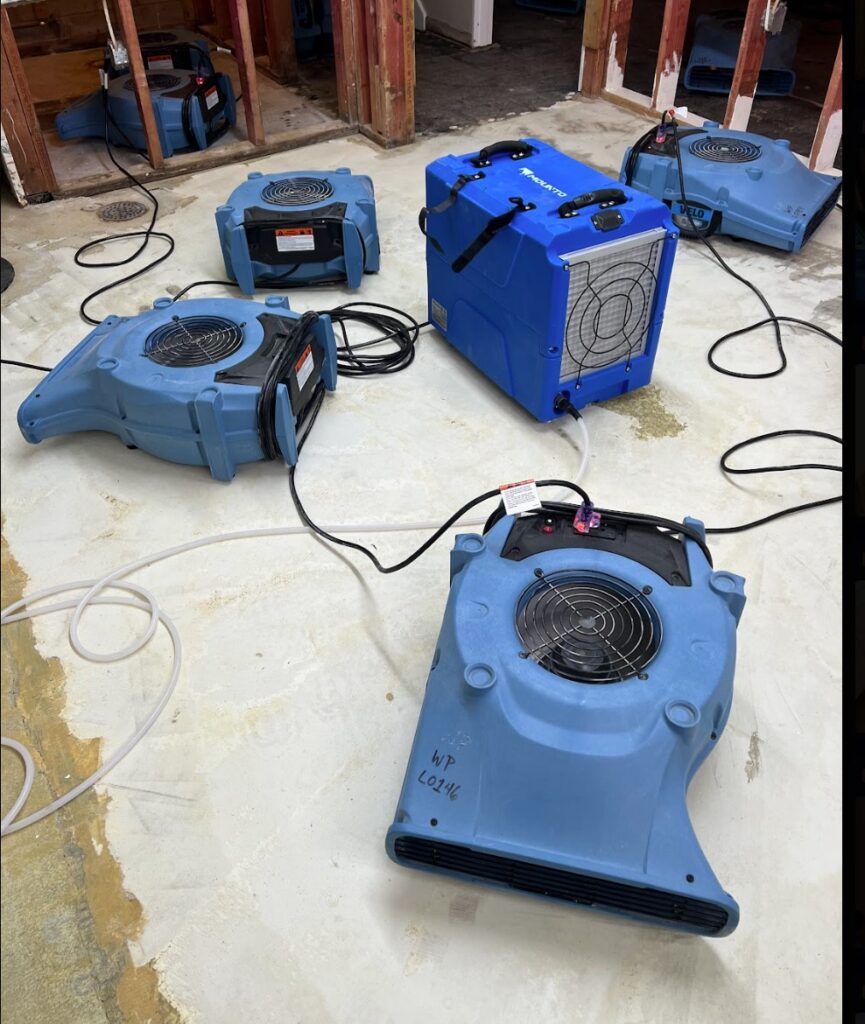
Professional mitigation may include:
- Water extraction
- Moisture mapping
- Structural drying
- Commercial dehumidification
- Air movement
- Removal of unsalvageable materials when necessary
- Monitoring moisture levels during drying
- Documentation of affected areas
The objective is not simply to make the surface look dry. It is to return affected materials to appropriate moisture levels and reduce the likelihood of additional damage.
How to Reduce the Risk of Water Heater Leaks
Not every water heater failure can be prevented, but regular attention can help identify problems earlier.
Homeowners should periodically inspect the area around the water heater for moisture, corrosion, deteriorating connections, or other unusual conditions. Know where the water shutoff is located before an emergency occurs, and have the unit inspected when you notice signs of trouble.
If your water heater is located in the basement, a significant failure can also become a basement flooding emergency.
Catching a small leak early is considerably easier than dealing with saturated walls, flooring, and belongings after a major tank failure.
Water Heater Leak Cleanup and Water Mitigation in Northeast Ohio
A leaking or failed water heater can release enough water to damage floors, walls, insulation, and personal property. Once the plumbing problem has been controlled, prompt extraction and professional drying can help limit the extent of the damage.
TriGuard Restoration Services offers:
- 24/7 emergency response
- Water damage mitigation
- Water extraction
- Structural drying and moisture detection
- Basement flood cleanup
- Mold remediation
- Insurance claim documentation and support
Serving Cleveland, Parma, Independence, Lakewood, Strongsville, Mentor, and surrounding Northeast Ohio communities.
Call 216-352-5700 for immediate assistance.
If your water heater has leaked and water has spread into surrounding building materials, do not rely solely on what appears dry. Identifying and removing hidden moisture early can help prevent a relatively contained water loss from becoming a much larger restoration project.